
“Rice Purity Racism Test” — Fact Check & Safer Alternatives
Bottom line: There is no official “Rice Purity Racism Test.” The term usually appears when people search for anti-racism self-assessments or when misinformation spreads on social media. This page explains the confusion, offers resources for learning about bias, and reminds readers how to evaluate any quiz before sharing it.
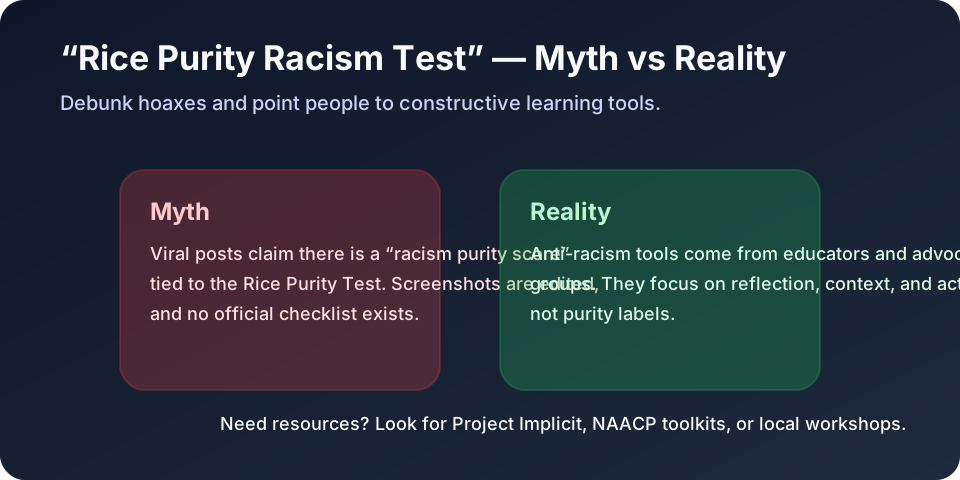
Where the phrase comes from
- Search engine mix-ups. Autocomplete sometimes pairs “Rice Purity Test” with trending topics like racism or politics, even when no such quiz exists.
- Screenshot hoaxes. A few viral posts have edited result cards to imply a “racism score,” usually as satire or disinformation.
- Real diversity checklists. Some workplaces and educators use reflection tools about bias or inclusive behaviour. These are not purity tests and should be handled with care.
How to evaluate any “racism test” you encounter
- Check the source. Legitimate anti-bias tools cite educators, researchers, or organisations such as Teaching Tolerance or Project Implicit.
- Look for context and disclaimers. A responsible tool includes guidance on interpreting results and next steps for learning.
- Avoid gamifying harm. Racism is not a punchline. Be wary of quizzes that assign “purity” labels or encourage shaming.
- Protect your data. If a form collects names or emails, confirm how they’re stored and whether you consent.
Constructive ways to learn about bias
- Take evidence-based assessments. Project Implicit’s tests explore unconscious bias with clear methodology notes.
- Follow community-led guides. Resources from organisations such as the NAACP, Asian Americans Advancing Justice, or local advocacy groups provide actionable steps.
- Host small-group discussions. Pair readings or documentaries with facilitated conversations instead of anonymous scoring.
- Support affected voices. Share articles, podcasts, or fundraisers from the communities being discussed.
What to share when friends ask for “the racism test”
- Point them to this fact-check or similar resources that explain why the phrase is misleading.
- Offer curated learning paths—book clubs, workshop signups, or donation links—rather than viral quizzes.
- Remind them that meaningful anti-racism work goes beyond checklists; it involves sustained education, accountability, and action.
Related pages on this site
- Try the classic Rice Purity Test if you’re looking for the original experience.
- Curious about what the standard score means? Visit the results breakdown.
- Need lighter spins? Browse alternatives and fandom variants.
- Supporting younger players? Share the teen-friendly guide for safety tips.